GameFi 2.0: Best Crypto Games and Gaming Tokens to Watch in 2026
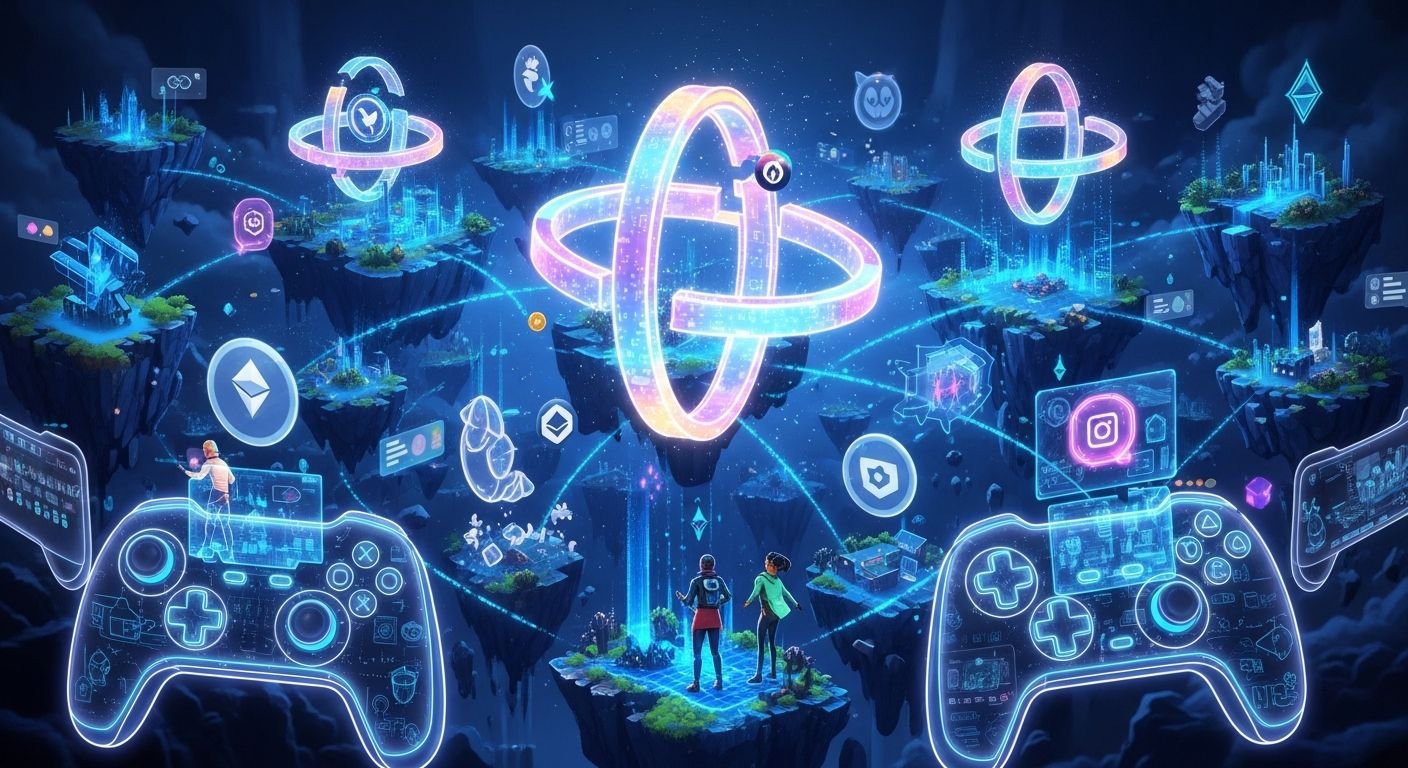
Best crypto games 2026 is no longer a list of click to farm apps and empty reward loops. The new wave of GameFi 2.0 is about real games that just happen to use crypto rails for ownership, trading and rewards instead of bolting tokens onto a spreadsheet with a play button.
Players are more demanding, investors are more skeptical and studios are under pressure to prove that gamefi projects can stand next to traditional titles on gameplay while still giving web3 natives the digital property rights they care about.
What GameFi 2.0 Really Means in 2026
GameFi 1.0 was built around simple loops: log in, click, earn, dump. It taught everyone that tokens can attract users quickly, yet it also showed how fast a system collapses when those tokens have no reason to hold value.
GameFi 2.0 is the response to that lesson. The focus shifted toward solid core gameplay, progression systems that feel familiar to traditional gamers and rewards that tie into actual skill, time or contribution instead of pure inflation. web3 gaming tokens now act more like keys to an economy than the entire point of the game.
Studios treat tokens, NFTs and on chain assets as plumbing. Players can own items, trade them, rent them or bring them between experiences, yet the reason to log in each day is still fun and challenge, not a yield number.
How GameFi 2.0 Actually Works
Under the surface, GameFi 2.0 architecture looks closer to a modern live service game than a quick launch farm. The big difference is that assets, currencies and in some cases progression data live on chain.
On chain assets, off chain gameplay
Most leading gaming crypto coins support games where actual rendering and real time logic run off chain while inventories, currencies and key state changes settle on a blockchain or L2. This keeps latency low while still giving players verifiable ownership and clear economic rules.
Dual token and single token models
Economies either revolve around a single core token or a dual system with a governance asset and a soft in game currency. The healthier designs keep utility tokens tightly linked to sinks that match issuance, such as crafting, upgrades, tournaments and cosmetic unlocks.
Seasons, battle passes and web3 twists
GameFi 2.0 borrows a lot from traditional seasonal passes and cosmetic driven monetisation. The twist is that some passes, skins or reward tracks are NFTs that can be traded, split or reused as access keys in future seasons or partner games.
If a game stops being fun when you remove the token price chart, it belongs to the first wave of GameFi, not the second.
Best Crypto Games 2026: Sectors to Watch
Instead of chasing every new ticker, it helps to group gamefi projects by the type of experience they aim to deliver. Different players and investors gravitate toward different slices of the market.
Action and extraction style games
Extraction shooters and survival style games that let players risk gear for higher rewards fit well with on chain items. Successful titles in this lane focus on tight mechanics first and only then layer in trading and high stakes missions.
Strategy, trading and card games
Strategy games, trading card games and autobattlers align naturally with NFTs. Each card or unit can be an asset with its own history, and secondary markets give players ways to reshape collections over time. Here, web3 gaming tokens often act as tournament rewards or governance tools rather than basic income.
Casual and mobile focused titles
On the lighter end, casual mobile games use tokens for shared jackpots, social contests or cosmetic markets. The strongest teams keep friction low so that someone who does not care about crypto can still play, then discover trading later.
Play to Earn 2026: From Grind to Skill and Status
The phrase play to earn 2026 has a very different meaning than it did in the last cycle. Pure grind loops with a token leak are out of fashion; they get farmed early and abandoned once emissions slow down.
In GameFi 2.0, players still earn, yet the most stable rewards come from competitive performance, creative contributions, content and social roles. Clans, streamers, guild leaders and modders all sit in a position to earn share flows if the game bakes those roles into its design.
Sustainable GameFi does not pay everyone the same. It pays most to the people who create value for others.
Benefits and Trade Offs of GameFi 2.0 Exposure
Allocating to GameFi gives portfolios exposure to a very different user base than pure DeFi does. Many players come for the game first, then learn about tokens, which can create more organic demand for gaming crypto coins.
The trade off is higher execution risk. Building a successful game is hard in any environment. Adding token design and on chain infrastructure only increases the complexity. For every breakout hit on the list of best crypto games 2026, there are dozens of quietly abandoned repos and half launched economies.
Key Risks and How to Handle Them
Game development risk: Delays, scope creep and shifting trends can derail roadmaps. A beautiful whitepaper is worth less than a playable build with real players.
Token and economy risk: Poorly calibrated emission schedules, unlimited inflation and aggressive early unlocks can crush secondary markets even if the game has solid fundamentals.
Platform and regulation risk: App store rules, regional regulations and changing attitudes toward loot boxes and tokens can affect how games distribute rewards or onboard users.
Handling these risks means sizing positions modestly, diversifying across several projects and paying more attention to live progress than to early narrative spikes.
How to Research GameFi 2.0 Projects
Research for GameFi combines classic gaming due diligence with crypto native checks. Start by actually playing, watching live gameplay or following streamers who are not sponsored by the team. If nobody seems excited about the core loop, the economy will not save it.
Then look at retention, daily active users and community sentiment. Empty Discords and stale social feeds are real signals. Strong contenders for the title of best crypto games 2026 tend to have active communities that talk about strategies, builds and stories, not just token rewards.
On the token side, study allocation charts, vesting schedules and the role of NFTs. Ask who gets paid, when and for what. Healthy designs connect value to in game achievements, content and social contribution instead of passive holding alone.
Where GameFi Could Go in the Future
Over the next few years, the line between web2 and web3 games will probably blur. Many players will log in through familiar launchers, play games that feel like any other high quality title and only later realise that some items or currencies sit on chain.
Shared infrastructure layers, account abstraction and smoother wallets should make it easier for studios to offer crypto powered features without forcing new users through confusing setup flows. As that happens, web3 gaming tokens may start to look less like speculative chips and more like the backend of digital worlds that people inhabit for years.
Conclusion
best crypto games 2026 are built on a simple idea: fun first, tokens second. When teams respect that order, GameFi turns from a passing meta into a serious part of the broader gaming industry.
If you approach GameFi 2.0 as a space where you back strong teams, real games and token designs that reward value creation, your exposure to gaming crypto coins can become a thoughtful part of your portfolio instead of just another short lived narrative.
FAQ
How do I tell if a GameFi project is more than a short term farm
Look for real gameplay, frequent updates and communities that talk about strategies and stories, not just token prices. Playable builds and steady player numbers matter more than launch hype.
Should I focus on tokens, NFTs, or both in GameFi
Tokens and NFTs play different roles. Tokens often handle governance and broad incentives, while NFTs represent specific items or identities. Many players start with the game and items they enjoy, then decide whether the main token fits their investment profile.