The Rise of Real World Asset (RWA) Tokenization: How Crypto Is Finally Becoming Useful
This article will highlight the game changing impact of RWA in making these investments straightforward and user friendly. Readers can expect to learn how this innovation is reshaping the future of finance and investment.
What Are Real World Assets In Crypto
Real world assets (RWAs) in crypto refer to traditional financial assets that are represented as blockchain tokens, bridging the gap between conventional finance and digital currencies. By tokenizing assets like treasury bills, money market funds, and bonds, RWAs enable easier and more efficient transactions in the decentralized finance (DeFi) space.
These tokens serve as legal claims held by regulated entities, rather than providing direct ownership of the underlying assets themselves, such as buildings or bonds. This structured representation allows investors to access a broader range of investment opportunities while benefiting from the security and transparency of blockchain technology.
How Rwa Tokenization Actually Works
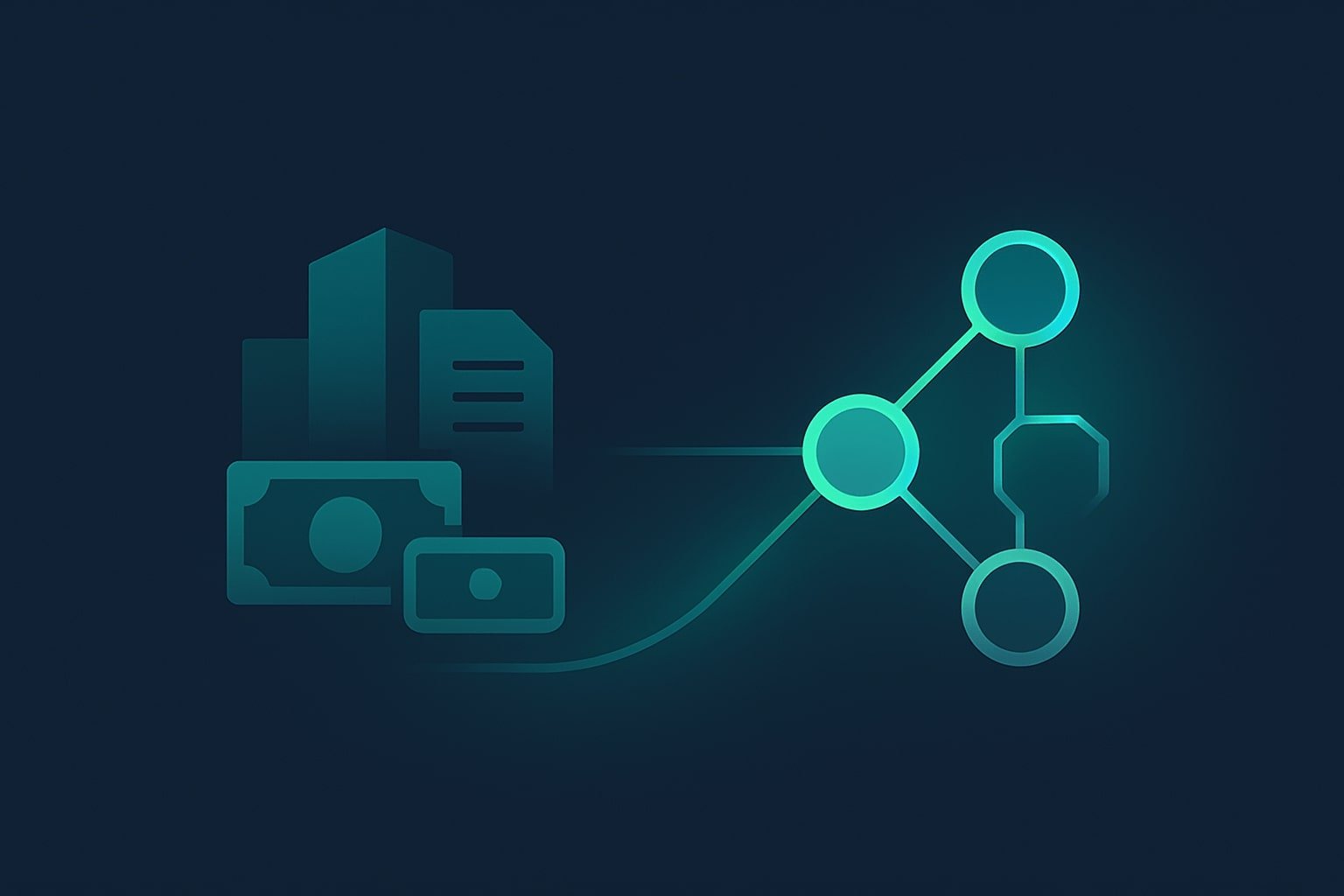
RWA tokenization transforms real-world assets into blockchain based tokens that represent legal ownership. It connects physical assets with digital markets through a secure legal structure and transparent on-chain tracking.
Step 1: Asset Identification
The process begins by identifying the real-world asset (RWA) to be tokenized, such as real estate or precious metals. This asset is then transferred to a legal wrapper, often in the form of a fund or special purpose vehicle (SPV), which holds the asset and ensures regulatory compliance.
Step 2: Legal Framework Establishment
Establishing a legal framework is crucial for tokenization, as it outlines ownership rights and responsibilities. This framework serves as the foundation upon which the tokens will be issued, ensuring that each token represents 1:1 ownership of the underlying asset held by the fund.
Step 3: Token Creation
Once the legal structure is in place, tokens are created on a blockchain platform. Each token is a digital representation of ownership in the SPV, enabling straightforward transferability while maintaining a direct link to the actual asset.
Step 4: Investor Verification
Only verified investors are allowed to mint or redeem these tokens, ensuring compliance with regulations and preventing unauthorized access. This verification process involves a rigorous Know Your Customer (KYC) protocol to safeguard all participants.
Step 5: On-Chain Transactions
Tokens move on-chain between whitelisted wallets, facilitating seamless trading and liquidity. This on-chain mechanism allows for real-time tracking of ownership, providing transparency and trust in the RWA ecosystem.
Why RWA tokenization is exploding in 2025
Attractive yields from treasury bills have re-entered the market, breaking the cycle of prolonged low rates that deterred investors. This resurgence is driving interest in real-world asset (RWA) tokenization, as savvy investors seek innovative ways to harness these superior returns.
The significant institutional adoption seen from major players like BlackRock, Franklin Templeton, and JPMorgan is another catalyst fueling this growth. Their involvement lends credibility to RWA tokenization, making it a more mainstream solution for asset management and liquidity enhancement.
Banks are increasingly utilizing blockchain technology for repo and collateral transactions, resulting in substantial cost savings. This seamless integration aligns perfectly with the 24/7 DeFi yield narrative, making RWA tokenization an attractive proposition for both traditional finance and the decentralized ecosystem in 2025.
The Biggest RWA Crypto Examples To Know
The rise of RWA crypto is being driven by major financial institutions that are bringing real-world assets onto the blockchain with unprecedented scale. These leading projects prove that tokenization is no longer experimental; it’s actively reshaping global finance.
Blackrock Build: Tokenized Treasury Bills On Ethereum
One of the most significant RWA crypto examples to know is BlackRock’s BUIDL project, which has pioneered the tokenization of treasury bills on Ethereum.
By allowing qualified investors to purchase BUIDL tokens backed by cash, short-term US Treasuries, and repos, BlackRock demonstrates how institutional-grade assets can seamlessly integrate into blockchain environments, aligning traditional finance with innovative technology.
Franklin Templeton’s Benji And Sgbenji
Franklin Templeton’s Benji and sgBENJI represent some of the most significant advancements in RWA (Real-World Asset) tokenization. By launching the Franklin OnChain US Government Money Fund, the company has made strides in democratizing access to traditional finance, allowing users to tap into a tokenized version of a money market fund, all recorded on public blockchains.
Jpmorgan Onyx And Kinexys: Tokenized Collateral At Scale
By leveraging tokenized Treasuries as collateral in repo transactions, it transforms liquidity management; transactions that once took days can now settle in mere minutes, showcasing the efficiency gains blockchain technology brings to traditional finance.
Kinexys further amplifies this narrative by facilitating tokenized collateral solutions at scale. In a world where agility and speed are paramount, efforts like these illustrate that RWA crypto is not merely theoretical.
How Defi Users Are Using Tokenized Treasury Bills And Rwas
DeFi users are increasingly leveraging tokenized treasury bills and Real World Assets (RWAs) as innovative collateral in lending markets and structured products. By converting these traditionally illiquid assets into digital tokens, users broaden the scope of borrowing, allowing for creative financial strategies.
These assets serve as robust base assets for yield strategies, attracting conservative investors seeking lower volatility. The recognition of tokenized treasury bills and RWAs on institutional trading platforms underscores their growing acceptance, presenting new opportunities for institutional players to tap into DeFi’s expansive ecosystem while safeguarding against market fluctuations.
The Risks You Actually Need To Understand
Legal/Issuer Risk: The token is connected to a Special Purpose Vehicle (SPV), meaning the legal standing of the asset is not inherently tied to the blockchain itself, introducing uncertainties around rights and claims.
Custody Risk: As assets may be held by traditional banks, there exists the risk of asset freezes, making them inaccessible when liquidity is crucial.
Regulatory Changes: Rapidly evolving regulations can impact market dynamics significantly, risking the viability of tokenized assets overnight.
Smart Contract + Blockchain Risks: Flaws in smart contracts can lead to security vulnerabilities, exposing the assets to potential hacks or operational failures.
Liquidity Risk: Exiting large positions in tokenized real-world assets may prove challenging, potentially locking investors in during unfavorable market conditions.
How To Research Rwa Tokenization Projects
When researching RWA tokenization projects, it’s crucial to begin with a comprehensive understanding of the underlying asset. Consider factors like the asset class, its market performance, and historical stability. The jurisdiction plays a significant role, affecting regulatory compliance and asset protection.
Due-Diligence Questions for Evaluating RWA Projects:
- Which underlying assets are included, and what are their market valuations?
- In which jurisdiction is the project based, and what are the applicable regulatory frameworks?
- Who is the issuer, and what is their track record in managing similar projects?
- What custodial arrangements are in place for asset security?
- Are there any transfer restrictions that could impede liquidity?
How Big Could The RWA Crypto Market Get
Understanding the Current Landscape of RWA Crypto Market
The Real-World Asset (RWA) crypto market has soared to approximately $24 billion, reflecting an impressive growth of 380% in recent times.
Future Projections: Hundreds of Billions to Trillions
Industry analysts predict that the RWA market could evolve to encompass hundreds of billions, potentially reaching trillions of dollars in the foreseeable future.
Core Infrastructure for Global Financial Plumbing
As RWA tokenization matures, it could emerge as a foundational layer of global financial systems, enabling seamless settlement and trading mechanisms.
Conclusion
The Rise of Real World Asset (RWA) Tokenization is revolutionizing how we perceive and interact with financial assets through innovative asset tokenization strategies. The integration of RWAs into the crypto space is paving the way for a future where investments are more inclusive and efficient.
As more individuals opt for the RWA app download, they are not just participating in a trend; they are engaging in a significant paradigm shift that unlocks previously untapped potential. This shift not only offers diverse investment avenues but also enhances the stability of the crypto market.