Telegram Trading Bots Crypto: A Complete Guide
Imagine executing a crypto trade on a new memecoin before it explodes, with a single command sent from a chat app. That’s the core promise of the telegram trading bots crypto ecosystem. These automated tools let you buy, sell, and manage positions directly within Telegram, often on fast-moving chains like Solana and Base.
They’ve surged in popularity by promising speed and accessibility, turning complex on-chain actions into simple text commands. But beneath the convenience lies a landscape of significant technical complexity and security trade-offs that every user must understand.
What Telegram Trading Bots Crypto Means in 2026
By 2026, Telegram trading bots have evolved from niche tools into a full-fledged sub-sector of crypto trading infrastructure. They’re no longer just about basic swaps; they offer portfolio management, limit orders, copy trading, and sophisticated sniping for new token launches. Their integration with Telegram makes them exceptionally accessible, especially for mobile-first traders.
The ecosystem is now dominated by bots operating on high-throughput, low-cost networks. Solana remains a primary battleground due to its speed, while Ethereum Layer-2 networks like Base and Blast have seen massive adoption for their lower fees and growing meme coin scenes. The competition has shifted from pure functionality to user experience, security features, and sustainable tokenomics for the bot’s native token.
How Telegram Trading Bots Actually Work
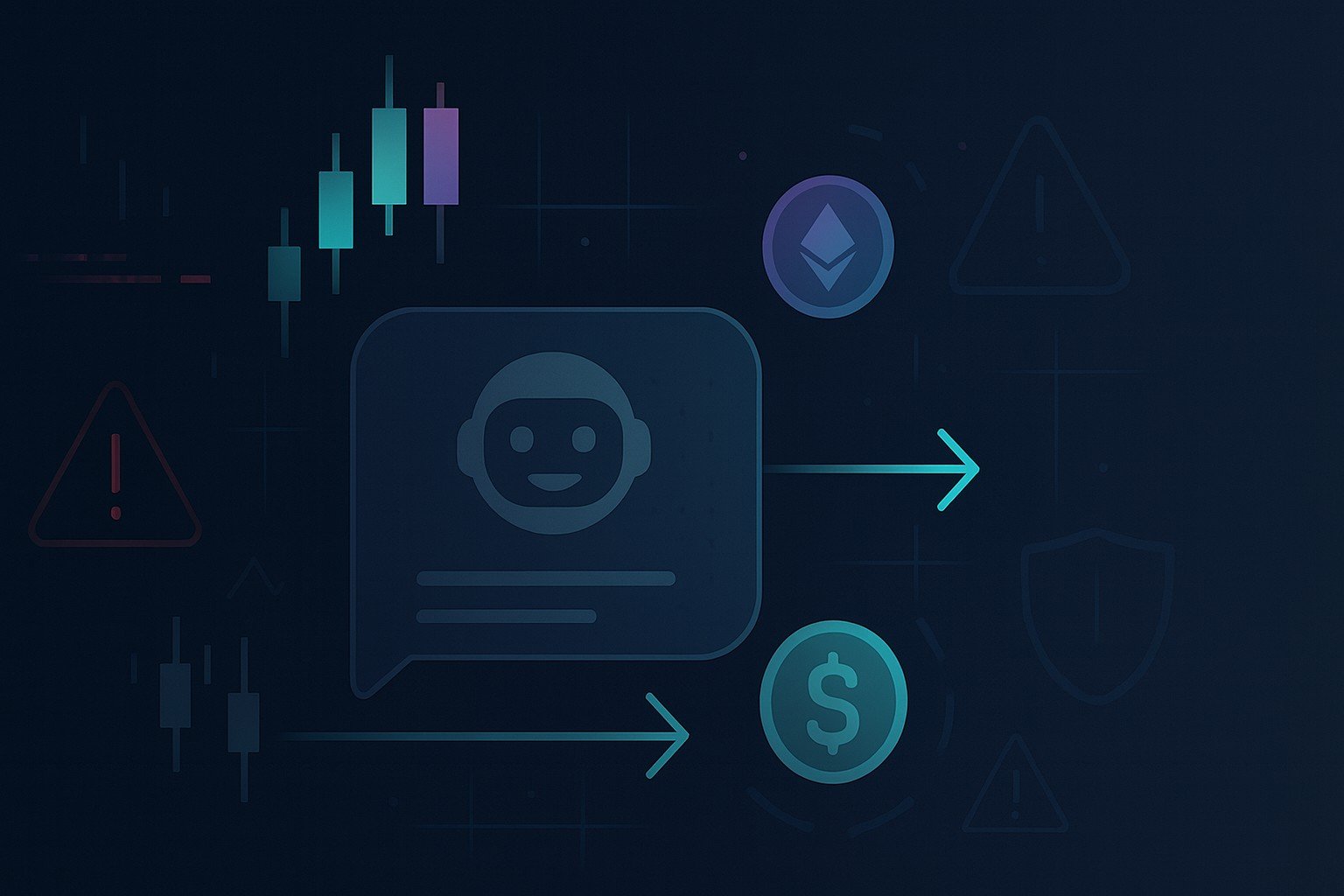
At their core, these bots act as a middleware layer between you and the blockchain. You don’t trade directly with the bot’s interface. Instead, you interact with a smart contract that has been pre-approved to manage your funds for specific actions. When you send a command like “/buy 1 SOL PEPE,” the bot’s backend constructs the transaction.
This transaction is then sent to your connected wallet (like Phantom or MetaMask) for signing. Crucially, you are signing a transaction that gives the bot’s contract permission to execute the trade on your behalf. Once signed, the bot submits the transaction to the network. All of this happens in seconds, often faster than manually using a decentralized exchange (DEX) interface.
Never grant unlimited spending approval to a trading bot’s smart contract. Always use a wallet with minimal funds dedicated solely to bot trading to limit potential loss.
The Role of Sniper Bots
A specialized and high-risk category is the telegram sniper bot. These are configured to buy a token the instant it becomes available for trading on a DEX, often targeting new meme coin launches. They automate the process of monitoring liquidity pool creation and executing a buy order in the same block, aiming to get in at the lowest possible price.
This requires extreme speed and often involves paying priority fees (like Solana’s priority fee or Ethereum’s max fee). The risks are proportionally high, including buying into scams, tokens with malicious code, or getting front-run by other bots, resulting in significant slippage.
How Traders Apply Telegram Trading Bots Crypto
Traders use these bots for specific strategies that benefit from speed and automation. The most common use is rapid meme coin trading, where prices can move 50% or more in minutes. Bots allow users to set take-profit and stop-loss orders automatically, removing emotional decision-making during volatile swings.
Another application is copy trading, where users can automatically mirror the trades of a designated “master” wallet. This is popular for following perceived expert traders or specific token launch snipers. For degen farmers, bots streamline the process of buying newly launched tokens across multiple chains without constantly monitoring new listings on DexScreener or Twitter.
Benefits and Trade Offs
The primary benefit is unmatched execution speed and convenience. Trading from a messaging app simplifies the process, especially for those constantly on mobile. Features like limit orders on DEXs, which aren’t natively available on all platforms, add strategic depth. For many, the automation represents a psychological advantage, enforcing discipline.
The trade-off is a significant delegation of control and security. You are inherently trusting the bot developer’s code—both the backend and the smart contracts. This introduces smart contract risk, private key handling risk (if using a seed phrase with the bot, which is not recommended), and custodial risk if the bot holds funds temporarily. The convenience comes at the cost of increased attack vectors.
Key Risks and How to Handle Them
Smart contract risk is paramount. A bug or malicious function in the bot’s contract can lead to total loss of approved funds. There’s also admin key risk; many projects have admin keys that could potentially pause functions or, in worst-case scenarios, drain funds. Always research if the contract is renounced or time-locked.
To handle these risks, never connect your main wallet. Use a dedicated, isolated wallet with only the funds you intend to trade. Never enter your wallet’s seed phrase into a Telegram bot; only connect via secure wallet connection methods. Start with very small amounts to test both the bot’s functionality and reliability. Treat any bot as an experimental, high-risk tool, not a secure vault.
How to Research or Evaluate Telegram Trading Bots
Begin with on-chain due diligence. Use block explorers to examine the bot’s main contract. Look for verification status, check if ownership is renounced, and review transaction history for anything suspicious. Analyze the volume of users and total value locked (TVL) over time—a growing, organic user base is a positive signal.
Scour community channels on Telegram and Twitter. Look for unresolved user complaints about failed transactions or withdrawals. Evaluate the team’s transparency and communication history. For bots with a native token (common among unibot alternatives), assess the tokenomics: is there a sustainable revenue share model, or does it rely purely on speculative trading?
Always assume a new trading bot could be a scam. Let others test it first, and never be the first to ape in with significant capital. The hype is often the trap.
Where This Could Go in the Future
The future points towards greater integration and sophistication. We’ll likely see bots offering more complex DeFi strategies like automated liquidity provision, hedging, and cross-chain arbitrage, all accessible via simple commands. The winning bots will be those that can successfully balance powerful features with robust, verifiable security and insurance mechanisms.
Regulatory scrutiny will increase as these tools become more mainstream. The most sustainable projects may evolve into full-fledged, compliant trading terminals with advanced order types and risk management tools, still leveraging the accessibility of platforms like Telegram but with enterprise-grade security.
Conclusion
Telegram trading bots crypto tools represent a powerful fusion of accessibility and on-chain automation. They solve real problems for active traders, particularly in the fast-paced meme coin arena on chains like Solana and Base. Their value proposition of speed and simplicity is undeniable.
That value, however, is counterbalanced by substantial and novel risks. Success with these bots requires treating them not as magic profit generators, but as advanced, risky instruments that demand rigorous safety protocols. Used cautiously, they are a potent tool; used naively, they are a shortcut to significant loss.
FAQ
Are Telegram trading bots safe?
They introduce specific security risks you must manage. The safety depends entirely on the bot’s code, contract security, and your own practices like using a dedicated wallet. No bot is 100% safe; they should be considered high-risk tools. Always conduct thorough research and never invest more than you can afford to lose.
What are the best Unibot alternatives?
The landscape changes quickly, but popular alternatives often include bots like Banana Gun, Maestro, and Sol Trading Bot on Solana. The “best” depends on your chain of choice, desired features (sniping, copy trading), and the project’s current security audit status and community trust. Always DYOR before connecting any wallet.
Can I make money with sniper bots?
It’s possible but extremely high-risk. Sniper bots compete in a race where milliseconds and fee priority matter. You can profit from early entry on legitimate launches, but you are equally likely to snipe a scam token (“rug pull”) or suffer massive slippage. Profitable sniper bot use requires deep market knowledge, excellent timing, and acceptance of frequent losses.